

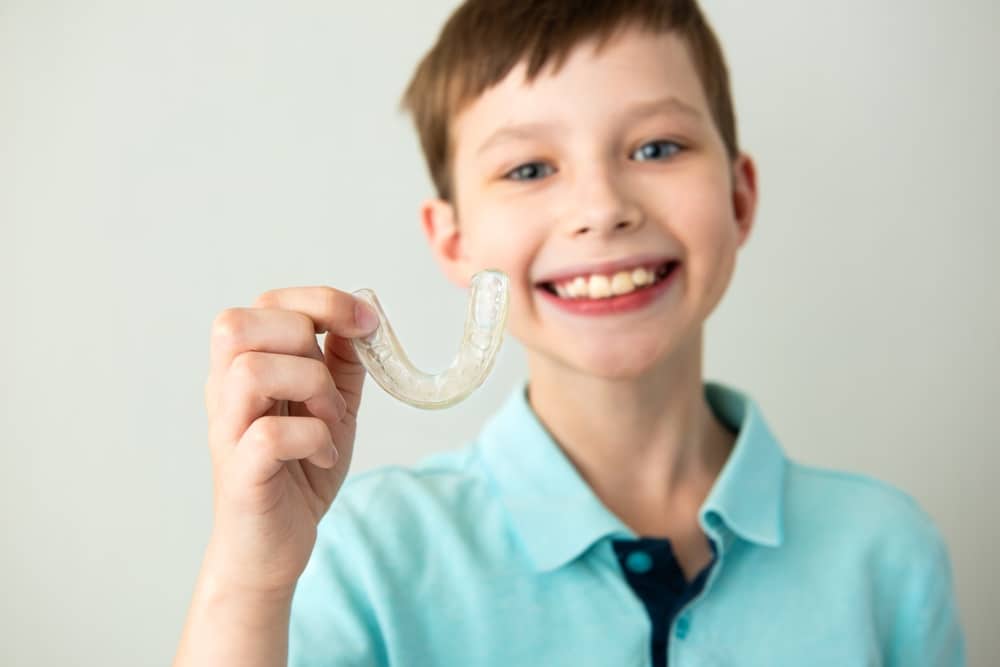
Choosing the right orthodontic treatment for your child can shape their smile, self-esteem, and oral health for life. In this guide, you’ll discover what are the pros and cons of braces versus aligners for young children, covering how each system works, their benefits and challenges, cost and duration comparisons, suitability for different bite issues, lifestyle impact, and why Orthodontic Associates—backed by a team of five experienced doctors across 13 local offices—offers personalized pediatric care with advanced technology and flexible financing.
What Are Traditional Braces and How Do They Work for Kids?
Traditional braces are fixed orthodontic appliances that use brackets, wires, and elastic bands to guide teeth into proper alignment by applying continuous pressure over time. This system corrects misaligned teeth and jaw relationships through periodic adjustments by an orthodontist, making braces a reliable choice for growing smiles with complex issues. Exploring how braces deliver precise tooth movement lays the foundation for understanding removable alternatives like clear aligners and their maintenance.
What Types of Braces Are Available for Children?
Children can choose among three primary braces options depending on aesthetic preference, complexity of correction, and oral hygiene considerations:
- Metal Braces: Stainless steel brackets bonded to each tooth, offering durability and cost-effective strength.
- Ceramic Braces: Tooth-colored or clear porcelain composite brackets for a less conspicuous look.
- Lingual Braces: Brackets placed behind the teeth for virtually invisible alignment with the same corrective force as metal.
All three options effectively straighten teeth in young patients, and the right choice depends on balancing visibility concerns with treatment goals.
How Do Braces Correct Orthodontic Issues in Young Patients?
Braces correct malocclusions by converting bracket-attached archwires into controlled forces that shift teeth through bone remodeling. After initial bonding, the orthodontist tightens wires at regular intervals, gradually moving teeth into new positions. This mechanism ensures precise alignment for severe overbites, underbites, and crowding.
| Braces Type | Material | Benefit |
|---|---|---|
| Metal Braces | Stainless steel | Durable, cost-effective correction |
| Ceramic Braces | Porcelain composite | Blends with tooth color for subtle look |
| Lingual Braces | Custom-fit lingual metal | Hidden behind teeth for discrete treatment |
Each braces type uses the same biomechanical principles, allowing children with different cosmetic priorities to achieve lasting results while preparing us to compare fixed appliances with removable aligners.
What Are the Benefits of Braces for Complex Cases in Kids?
Braces provide unmatched control and versatility for complex orthodontic issues in children, offering benefits such as:
- Treating severe malocclusions like deep overbites and crossbites
- Ensuring compliance since the appliance is always in place
- Allowing precise tooth movement with specialized wires and auxiliaries
Because braces remain fixed, they excel at guiding jaw growth and correcting intricate discrepancies that removable systems cannot fully address, leading us to consider how comfort and maintenance differ between options.
What Discomfort and Adjustments Can Kids Expect with Braces?
Kids often experience soreness and minor soft-tissue irritation as braces apply force and brackets rub against cheeks and lips:
- Soreness for 2–3 days after each adjustment
- Development of mouth sores from bracket edges
- Dietary changes to avoid sticky or hard foods
Managing discomfort with orthodontic wax and over-the-counter pain relief helps maintain positive treatment experiences while preparing young patients for consistent oral hygiene.
How Do Braces Affect Oral Hygiene and Dietary Restrictions for Children?
Braces require extra oral hygiene steps and avoidance of certain foods because brackets and wires trap plaque and debris:
- Brush with an orthodontic toothbrush after every meal
- Use floss threaders or interdental brushes to clean between wires
- Avoid chewy candies, hard nuts, and crunchy snacks
Proper maintenance prevents cavities and gum inflammation, setting the stage for a comparison with aligner hygiene protocols.
What Are Clear Aligners and How Do They Work for Young Patients?
Clear aligners are removable, custom-made plastic trays that straighten teeth by applying gentle, sequential pressure. After a digital scan, a series of aligners is fabricated to shift teeth gradually. Children swap to a new tray every one to two weeks, and periodic check-ups ensure progress. Aligners offer aesthetic discreetness and ease of cleaning, prompting a closer look at specialized pediatric options.
What Are Clear Aligners and Invisalign First for Kids?
Clear aligners are transparent thermoplastic shells designed for mild to moderate tooth movements, while Invisalign First is a pediatric-focused system custom-engineered for mixed dentition and lighter forces suited to younger patients. Invisalign First includes compliance indicators and targeted attachments to guide erupting adult teeth.
| Aligner System | Designed For | Key Feature |
|---|---|---|
| Generic Aligners | Mild to moderate cases | Removability for hygiene |
| Invisalign First | Phase 1 mixed-dentition | Children’s attachments and wear indicators |
These systems introduce a removable alternative capable of early intervention before transitioning to comprehensive treatment.
How Do Clear Aligners Straighten Teeth in Children?
Clear aligners straighten teeth through a three-step process:
- Digital 3D scan captures current tooth positions.
- A series of trays is programmed to apply gentle force in stages.
- Regular in-office reviews ensure each aligner achieves its intended movement.
Predictable tray sequencing combined with periodic monitoring creates efficient, comfortable tooth alignment.
What Are the Advantages of Aligners for Kids?

Aligners provide several key benefits over fixed braces:
- Nearly invisible appearance promotes confidence.
- Removability simplifies brushing, flossing, and eating.
- Smooth plastic minimizes soft-tissue irritation.
These advantages cater to lifestyle and aesthetic priorities, leading us to explore why patient cooperation is crucial.
Why Is Compliance Important for Successful Aligner Treatment?
Aligner therapy succeeds only if trays are worn 20–22 hours daily; consistent wear maintains the controlled force needed for planned tooth movements. Without adequate compliance, trays lose their precision fit, slowing progress and potentially extending treatment time.
How Should Kids Clean and Maintain Their Clear Aligners?
Proper care of clear aligners involves:
- Rinsing trays with lukewarm water after removal
- Brushing gently with a soft toothbrush and clear, unscented soap
- Soaking in manufacturer-approved cleaner daily
Maintaining spotless aligners preserves fit and prevents discoloration, reinforcing consistent wear and effective results.
How Do Braces and Aligners Compare in Cost and Treatment Duration for Kids?
Choosing between braces and aligners often comes down to budget and treatment timeline. Fixed braces generally cost less upfront, while aligners may shorten in-office visits. Understanding these differences helps families plan finances and timelines.
What Is the Typical Cost Difference Between Braces and Aligners for Children?
Below is a cost comparison, including financing options offered by Orthodontic Associates:
| Treatment | Average Cost Range | Financing Options |
|---|---|---|
| Traditional Braces | $3,000–$7,000 | Flexible monthly plans available |
| Clear Aligners | $4,000–$8,000 | 0% interest in-house financing |
Cost Comparison of Orthodontic Treatments
The cost of orthodontic treatments, such as traditional braces and clear aligners, can vary significantly. Studies show that the average cost of traditional braces ranges from $3,000 to $7,000, while clear aligners typically cost between $4,000 and $8,000. These costs can be influenced by factors such as the complexity of the case and the geographic location of the practice.
American Association of Orthodontists, “Cost of Orthodontic Treatment” (2024)
This research provides a general cost comparison, which is relevant to the article’s discussion of the financial aspects of different orthodontic treatments.
How Long Does Each Treatment Usually Take for Young Patients?
Typical treatment durations vary by complexity:
- Braces: 18–24 months on average for moderate to severe cases
- Aligners: 12–18 months for mild to moderate adjustments
Case severity and growth patterns influence timelines, highlighting the importance of a tailored treatment plan.
Treatment Duration for Braces and Aligners
The duration of orthodontic treatment varies depending on the type of treatment and the complexity of the case. Traditional braces typically require 18 to 24 months of treatment, while clear aligners may take 12 to 18 months. Individual results may vary based on the patient’s specific needs and adherence to the treatment plan.
Proffit, W. R., Fields, H. W., & Sarver, D. M., Contemporary Orthodontics (2019)
This citation supports the article’s claims regarding the typical treatment durations for braces and aligners, providing a basis for the information presented.
Are There Financing Options Available for Pediatric Orthodontic Care?
Orthodontic Associates offers multiple pathways to affordability:
- In-house, interest-free monthly payments
- Third-party low-interest financing
- Family discounts for multiple treatments
Accessible plans ensure children receive optimal care regardless of budget constraints.
Which Orthodontic Issues Are Best Treated by Braces or Aligners in Kids?
Different bite problems respond best to specific therapies. Braces excel in complex skeletal and dental alignments, while aligners suit straightforward spacing and mild crowding. Matching issue to appliance leads to efficient correction and a confident smile.
What Types of Malocclusion Are Effectively Treated with Braces?
Braces deliver powerful correction for conditions such as:
- Class II overbite requiring elastics
- Severe crowding needing extractions or arch expansion
- Posterior crossbite corrected by bracket-guided archform changes
These versatile capabilities make braces the preferred choice for intricate pediatric cases.
When Are Aligners Suitable for Mild to Moderate Orthodontic Problems?
Clear aligners are ideal for:
- Mild to moderate crowding and spacing
- Relapse prevention after prior treatment
- Simple anterior tooth movements
Removability and comfort make aligners a convenient option when complexity remains low.
How Does Early Orthodontic Intervention Influence Treatment Choice?
Phase 1 intervention between ages 6–10 can guide jaw growth and prevent severe problems. In mixed dentition, interceptive braces or aligners create space and correct habits, often reducing the need for extractions later. Early timing informs whether braces’ fixed control or aligners’ gentle forces best suit each child’s development.
How Do Braces and Aligners Address Overbite, Underbite, and Crowding in Children?
| Condition | Braces Treatment | Aligners Treatment |
|---|---|---|
| Overbite | Brackets with elastics guide upper jaw forward | Trays incrementally shift incisors |
| Underbite | Reverse-pull elastics and bracket torque reposition jaw | Limited; often require fixed appliances |
| Crowding | Archwire expansion and interproximal reduction create space | Mild spacing via tray pressure |
This comparison underscores how each appliance addresses specific bite concerns and why braces often handle skeletal issues more predictably.
How Do Braces and Aligners Impact a Child’s Lifestyle, Comfort, and Self-Esteem?
Orthodontic treatment affects daily routines, comfort levels, and emotional well-being. Understanding these impacts helps parents support their children every step of the way.
What Are the Comfort Differences Between Braces and Aligners for Kids?
Clear aligners feature smooth thermoplastic that rarely irritates soft tissue, while braces can cause bracket-related soreness until the lips and cheeks adapt. Aligners also eliminate wire pokes, making them generally more comfortable after the initial tray adjustment period.
How Do Braces and Aligners Affect Kids’ Daily Activities Like School and Sports?
Children with braces may need orthodontic mouthguards for sports and take extra time for cleaning after meals. In contrast, aligners can be removed for athletics and instrument playing, allowing flexibility—but trays must be worn consistently outside activity time to keep treatment on schedule.
What Is the Emotional Impact of Visible Braces vs. Nearly Invisible Aligners?
Visible braces can initially make kids self-conscious, yet many grow to view their brackets as a symbol of progress. Nearly invisible aligners often boost confidence from day one, as peers rarely notice the plastic trays.
How Can Parents Support Their Child’s Compliance and Confidence During Treatment?
Parents can foster treatment success by:
- Encouraging positive reinforcement after orthodontic visits
- Helping maintain hygiene routines and aligning schedules
- Celebrating milestones like changing aligner sets or completing adjustment phases
Active involvement builds trust and ensures children feel empowered throughout their orthodontic journey.
Why Choose Orthodontic Associates for Your Child’s Braces or Aligners Treatment?
Orthodontic Associates combines pediatric expertise, advanced technologies, and a family-focused approach to deliver exceptional results. Our board-certified doctors bring over 50 years of combined orthodontic experience, serving young patients from 13 convenient locations with personalized care plans and budget-friendly financing.
Who Are Our Expert Orthodontists Specializing in Pediatric Care?
Our five pediatric-focused orthodontists hold board certifications and decades of experience treating children’s unique dental growth patterns. Each doctor stays current with the latest research and techniques, ensuring your child receives safe, effective treatment.
What Success Stories and Patient Testimonials Highlight Our Pediatric Treatments?
One 8-year-old with a pronounced crossbite completed Phase 1 braces treatment within nine months, achieving improved bite function and a more harmonious smile. Families often note our team’s gentle chairside manner and the confidence boost children experience once appliances come off.
How Can You Schedule a Consultation and Explore Financing Options?
To start, simply call our office or complete the online form for a complimentary evaluation. During your visit, we’ll review treatment choices, answer questions, and design a flexible payment plan that fits your family’s budget.
What Advanced Technologies Do We Use to Enhance Kids’ Orthodontic Care?
- Digital 3D scanning for accurate records without impressions
- AI-driven treatment planning for predictable results
- Self-ligating bracket systems for fewer adjustments
- Remote monitoring tools to track progress between visits
These innovations ensure faster, more comfortable treatment and a clearer path to your child’s healthiest smile.
What Are the Most Common Questions Parents Ask About Braces and Aligners for Kids?
Is Invisalign Better Than Braces for Kids?
Neither Invisalign nor braces is universally better; the optimal choice depends on your child’s specific dental needs, lifestyle, and compliance ability. Braces excel at correcting complex skeletal and dental issues, while aligners provide aesthetic discretion and easier hygiene for mild to moderate cases.
What Is the Best Age for Braces or Aligners in Children?
The ideal age to begin orthodontics typically falls between 10 and 14, when most permanent teeth have erupted and jaw growth can be guided effectively. However, Phase 1 treatment may start as early as age 6 for certain interceptive cases.
Are Clear Aligners Suitable for All Kids and Teens?
Clear aligners suit children with mild to moderate crowding or spacing and who can commit to wearing trays at least 20 hours per day. They are not recommended for complex bite discrepancies or very young children who cannot reliably manage removable appliances.
Is Wearing Braces or Aligners Painful for Children?
Both braces and aligners can cause mild discomfort. Braces may irritate soft tissues initially, while aligners often feel tight for the first couple of days after switching trays. Discomfort typically subsides quickly and is manageable with over-the-counter pain relief.
Which Treatment Works Faster: Braces or Aligners?
Aligners can shorten treatment by three to six months for suitable cases, thanks to advanced planning and fewer emergency visits. Braces remain the faster option for complex corrections but require more in-office adjustments.
What Are the Disadvantages of Invisalign for Kids?
Potential drawbacks of pediatric aligners include:
- Dependence on consistent wear for 20–22 hours daily
- Risk of losing or damaging trays
- Limited effectiveness for severe skeletal discrepancies
- Generally higher cost compared to metal braces
What Are the Pros of Traditional Braces for Children?
Traditional braces offer:
- Guaranteed compliance since they cannot be removed
- Superior control for complex tooth and jaw movements
- Often lower overall cost than clear aligners
- A track record of predictable outcomes in pediatric orthodontics
Weighing these pros and cons helps families make an informed decision that suits each child’s unique smile journey.
Orthodontic Associates is committed to guiding you through every step—whether you choose braces or aligners—so your child achieves a healthy, confident smile with the support of our experienced pediatric team.