


Adult orthodontic treatment is important for improving both your dental health and smile aesthetics. Factors such as tooth wear, gaps, misalignment, and malocclusion can affect chewing and overall oral hygiene. Adults face unique challenges compared to younger individuals. In this article, you will explore the main treatment options available, key considerations when choosing a treatment, the treatment process, benefits and challenges, cost factors with payment options, common orthodontic problems and solutions, and how to find expert care.
Transitioning into the main content, let us discuss the primary orthodontic treatment modalities and their nuances.
What Are the Main Orthodontic Treatment Options Available for Adults?
Adult orthodontic treatment involves various approaches to meet both functional and aesthetic needs. The most common modalities are traditional metal braces, clear (ceramic) braces, clear aligners (such as Invisalign), and lingual braces. Each option offers different advantages in cost, duration, visibility, and comfort.
What Are Traditional Metal Braces and Who Are They Best For?
Traditional metal braces use metal brackets and wires to gradually move teeth into proper alignment. They work with controlled forces and are best suited for severe cases of malocclusion, crowding, overbite, underbite, or crossbite. With regular tightening sessions, these braces provide excellent control over complex tooth movements. While their appearance is more noticeable, they remain a reliable option for patients who need substantial dental corrections.
How Do Clear Braces (Ceramic Braces) Work for Adult Patients?
Clear braces are made from ceramic materials that blend with your tooth color, reducing visibility. Their mechanism is similar to metal braces, using wires and elastic bands to guide teeth gradually into place. They are ideal for adult patients who desire a less conspicuous appliance. Although care must be taken to avoid staining and maintain their translucency, clear braces offer comparable results to metal braces with better aesthetics.
What Is Invisalign and How Does It Benefit Adults?
Invisalign uses a series of custom-made, clear, removable aligners that shift teeth gradually. This treatment offers a discreet alternative with the added convenience of being removable for eating, cleaning, and special events. A digital treatment plan is created at the outset to map out each stage of transformation. Invisalign is popular among busy professionals and young adults because it enhances oral hygiene and minimizes irritation from wires or brackets.
What Are Lingual Braces and When Are They Recommended?
Lingual braces are placed on the backside of the teeth, keeping them hidden from view. They are best for patients who require significant tooth movement but wish to maintain an invisible appliance. Though installation and adjustments demand a highly skilled orthodontist and may initially affect speech, modern lingual braces have become more comfortable and refined. They offer the same effectiveness as traditional braces while preserving your smile’s appearance.
How Do Braces Compare to Invisalign for Adults?
The choice between braces and Invisalign depends on factors such as the severity of misalignment, treatment duration, cost, and lifestyle needs. Metal and ceramic braces are robust solutions for complex cases, providing precise control, whereas Invisalign offers discretion and convenience. Invisalign’s removability makes it ideal for social and professional settings but requires consistent wear (around 22 hours per day). Ultimately, the decision should be based on your particular orthodontic needs and daily lifestyle considerations.
What Factors Should Adults Consider When Choosing Orthodontic Treatment?
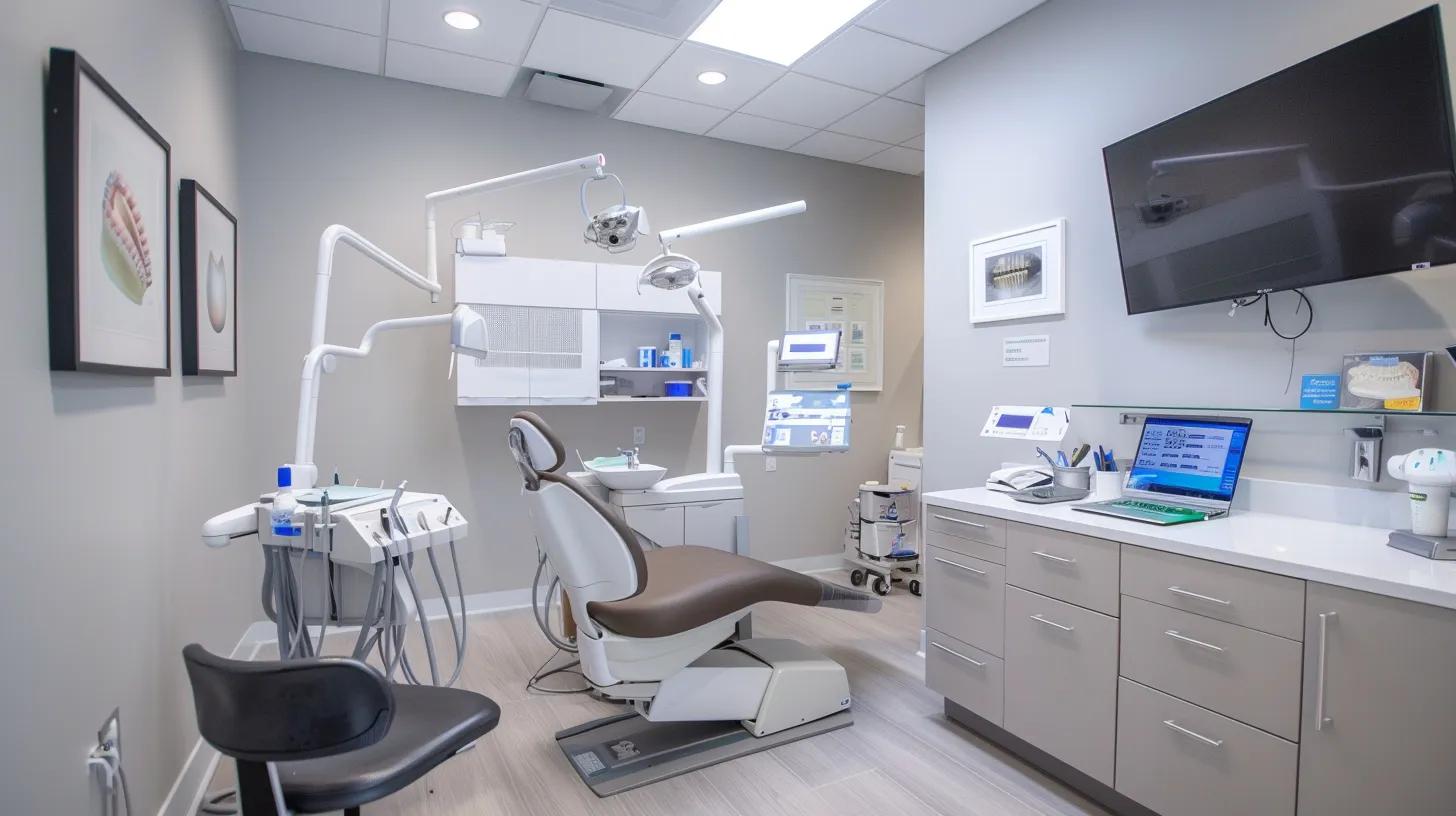
When choosing treatment, adults must consider several factors, including cost, treatment duration, aesthetic preferences, case complexity, and overall oral health. Lifestyle factors such as work commitments and social engagements also play a key role in selecting the most appropriate appliance.
How Does Treatment Cost Affect Adult Orthodontic Choices?
Cost is a major factor in treatment selection. Traditional metal braces typically have a lower price point compared to newer options, such as Invisalign or lingual braces, which may involve higher costs due to advanced technology and aesthetic benefits. Flexible payment plans and dental insurance can also influence your decision. It is wise to weigh both upfront and long-term costs when considering treatment options.
What Is the Typical Duration of Orthodontic Treatment for Adults?
Treatment duration can range from 12 to 36 months, depending on the complexity of the issues and the chosen treatment method. Metal braces may require longer treatment periods for extensive corrections, while Invisalign might offer a shorter duration with good compliance. The post-treatment retention phase is also critical, as retainers are used to stabilize the achieved alignment.
How Important Are Aesthetics and Lifestyle in Treatment Selection?
Aesthetics play a significant role, particularly for adults concerned with their professional and social image. Options like Invisalign and lingual braces cater to those wanting a discreet solution. Your daily routines and lifestyle preferences should be discussed with your orthodontist to choose an appliance that not only corrects dental issues but also suits your appearance and maintenance requirements.
Which Orthodontic Problems Can Be Treated Effectively in Adults?
Adult orthodontics successfully addresses many dental issues such as overbite, underbite, crossbite, crowding, and gaps between teeth. In addition to cosmetic improvements, treatment can correct functional problems like chewing inefficiency and speech difficulties. Using modern diagnostics like digital scans, orthodontists tailor a treatment plan to resolve these issues and enhance overall dental function.
How Does Oral Health Influence Orthodontic Treatment Options?
Oral health is critical to the success of orthodontic treatment. Prior to starting any treatment, a thorough examination is conducted to assess conditions such as gingivitis, tooth decay, or periodontal disease. If necessary, preliminary treatments are undertaken to ensure optimal oral hygiene, which in turn supports a stable and effective orthodontic correction.
What Is the Step-by-Step Orthodontic Treatment Process for Adults?
The treatment process is a systematic series of steps designed to achieve lasting results in both function and aesthetics. It begins with an initial consultation and diagnostic work-up, followed by the development of a personalized treatment plan. Regular adjustments and monitoring continue throughout the active phase until the desired alignment is achieved, after which a retention phase helps stabilize the improvements.
What Happens During the Initial Orthodontic Consultation?
During the initial consultation, your orthodontist performs a comprehensive oral examination using digital imaging and intraoral cameras. Measurements of your teeth and jaw, along with a review of your medical and dental history, create the basis for your treatment plan. This meeting allows you to discuss your desired outcomes and lifestyle needs.
How Is a Personalized Treatment Plan Developed?
Using the diagnostic data, a personalized treatment plan is developed. This plan details the treatment type, estimated duration, necessary appliances, and any additional procedures (such as tooth whitening or gum care) to be used. Advanced tools like 3D imaging help simulate your final smile, giving you a clear view of the expected outcome.
What Should Adults Expect During Treatment Implementation?
Once treatment begins, you will notice gradual improvements in tooth alignment as regular adjustments are made. Appointments, typically scheduled every 4 to 8 weeks, allow your orthodontist to monitor progress and address any issues, ensuring that discomfort is minimized and results are optimized.
How Is Post-Treatment Care and Retention Managed?
After active treatment, a retention phase follows to ensure that your teeth remain in their new positions. You may need to wear a retainer—fixed or removable—for a period recommended by your orthodontist. Regular follow-up visits help monitor the stability of the result and maintain good oral hygiene.
What Are the Benefits and Challenges of Orthodontic Treatment for Adults?

Orthodontic treatment offers both functional and aesthetic benefits. Improved tooth alignment leads to better chewing, reduced decay, and healthier gums, while a refined smile boosts self-confidence. However, treatment can be lengthy and sometimes uncomfortable, and managing daily oral hygiene may require extra effort.
How Does Orthodontic Treatment Improve Oral Health and Function?
By properly aligning the teeth, orthodontic treatment improves chewing efficiency and helps prevent food retention that may lead to decay or gum disease. Better occlusion also reduces stress on the jaw joints, contributing to long-term oral health benefits. Patients often notice enhanced periodontal performance, supporting overall dental well-being.
What Psychological and Social Benefits Do Adults Experience?
Many adults experience increased self-confidence and a more positive self-image after treatment. Improved dental aesthetics can reduce social anxieties, thereby fostering stronger interpersonal relationships in both personal and professional settings. These psychological benefits complement the physical improvements attained through treatment.
What Are Common Discomforts and How Are They Managed?
During treatment, some discomfort such as soreness or irritation from brackets may occur. These symptoms are usually temporary and can be managed with over-the-counter pain relievers, dietary adjustments, and the use of orthodontic wax. Open communication with your orthodontist helps address and alleviate any ongoing discomfort.
Are There Age Limits or Contraindications for Adult Orthodontics?
While there is no strict age limit for orthodontic treatment, certain oral health conditions, such as severe periodontal disease, may require prior management before treatment can begin. A comprehensive dental evaluation is essential to determine whether any underlying issues need to be addressed.
How Much Does Adult Orthodontic Treatment Cost and What Payment Options Are Available?
The cost of orthodontic treatment varies based on the chosen modality, case complexity, and geographic location of the practice. Traditional metal braces are generally more cost-effective, while options like Invisalign or lingual braces usually carry a higher price tag due to their aesthetic advantages and technological features.
What Are Typical Price Ranges for Different Treatment Options?
In the United States, prices generally range from about $3,000 to $8,000. Traditional metal braces tend to fall at the lower end of this spectrum, whereas ceramic braces, Invisalign, and lingual braces are positioned at the higher end. The table below summarizes typical price ranges:
| Treatment Option | Price Range (USD) | Estimated Duration | Visibility |
|---|---|---|---|
| Traditional Metal Braces | $3,000 – $5,000 | 18-36 months | Highly visible |
| Ceramic Braces | $4,000 – $7,000 | 18-36 months | Less visible |
| Invisalign | $4,500 – $8,000 | 12-24 months | Clear aligners |
| Lingual Braces | $5,000 – $8,500 | 18-36 months | Hidden |
| Combination Approaches | $3,500 – $7,000 | Varies | Varies |
How Do Flexible Payment Plans Make Treatment Accessible?
Many orthodontic practices offer flexible payment plans that allow you to spread the cost over monthly installments. These plans, sometimes with minimal or zero-interest options, combined with dental insurance, make treatment more financially accessible.
What Should Adults Know About Insurance Coverage for Orthodontics?
Insurance coverage for adult orthodontic treatment varies considerably. Some dental insurance plans include orthodontic benefits, though coverage limits or annual maximums may apply. It is important to discuss your policy details with your orthodontic provider to understand available discounts and reimbursement options.
What Are Common Orthodontic Problems in Adults and Their Treatment Solutions?
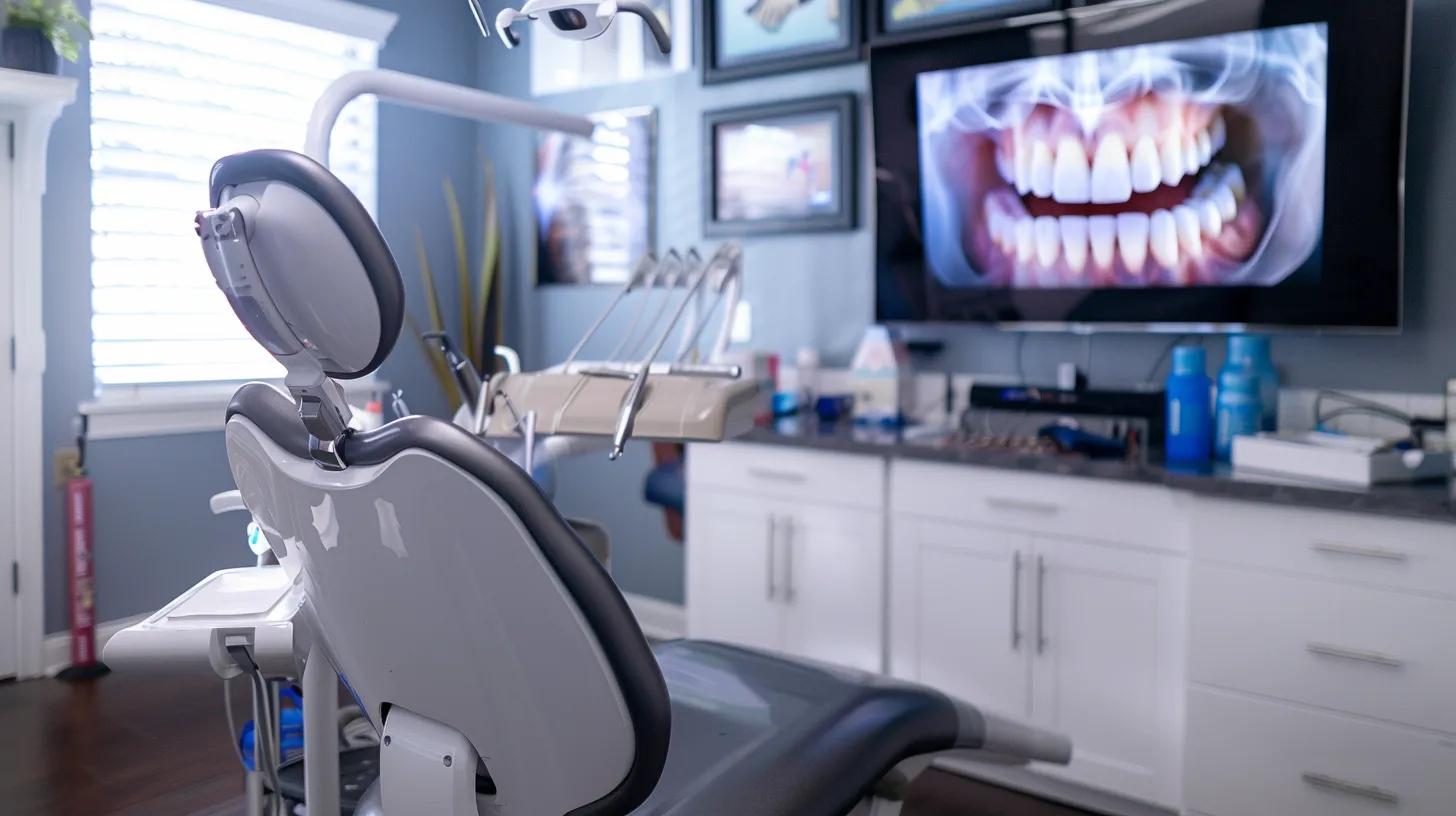
Adults may seek treatment for overbite, underbite, crowded teeth, and gaps between teeth. These issues can affect not only the smile but also chewing efficiency and overall oral health. Modern techniques and diagnostic tools allow orthodontists to design customized treatment plans to correct these problems effectively.
How Is Overbite Treated in Adult Patients?
Overbite correction typically involves using braces or clear aligners to reposition the teeth and jaw. In more severe cases, procedures like tooth extraction or surgical intervention may be necessary. Consistent follow-up ensures that dental wear is minimized and chewing function is improved.
What Are the Options for Treating Underbite in Adults?
Underbite treatment generally follows similar orthodontic methods as overbite correction but focuses on repositioning the lower jaw or bringing the upper jaw forward. Depending on the severity, treatment may include functional appliances along with braces or aligners to achieve improved jaw alignment and facial balance.
How Can Crowded Teeth Be Corrected With Orthodontics?
Crowded teeth are corrected by applying steady pressure to move them into a more favorable position. Sometimes tooth extractions or the use of dental expanders may be required to create the necessary space. This realignment not only improves aesthetics but also promotes better oral hygiene by reducing plaque-prone areas.
What Treatments Address Gaps Between Teeth in Adults?
Gaps between teeth can be resolved using clear aligners or braces that gradually close the spacing. For cases where orthodontics alone is insufficient, additional procedures like dental bonding or veneers may be recommended to achieve a uniform and aesthetically pleasing appearance.
Where Can Adults Find Expert Orthodontic Care and What Should They Expect?
Finding a reputable orthodontist is essential for a successful treatment outcome. Look for providers with board certification, extensive experience, and positive patient testimonials. Modern practices utilize advanced diagnostics and digital treatment planning to offer personalized and efficient care.
How to Choose the Best Orthodontist for Adult Treatment?
When selecting an orthodontist, consider their experience with adult cases, reputation, and patient reviews. Asking about available treatment options, expected duration, and cost during the consultation can help you make an informed decision.
What Technologies Do Modern Orthodontists Use for Adults?
Current orthodontic practices use technologies such as digital impressions, 3D imaging, and computer-aided design (CAD) to craft custom aligners and braces. Tele-dentistry is also becoming common, allowing for remote consultations and follow-ups.
How Can Adults Schedule Convenient Appointments?
Many practices now offer online booking and extended hours to accommodate busy schedules. Virtual consultations can also be arranged to discuss treatment options before an in-office visit, ensuring minimal disruption to your routine.
What Do Patient Success Stories Reveal About Adult Orthodontics?
Success stories from adult orthodontic patients often highlight increased self-confidence, improved dental function, and a significant enhancement in overall smile aesthetics. These testimonials underscore the positive impact of orthodontic treatment on both personal and professional lives.
Below is a concise table summarizing different orthodontic treatments, their features, and benefits:
| Treatment Option | Key Features | Duration | Visibility | Benefit |
|---|---|---|---|---|
| Traditional Metal Braces | Precise force application | 18-36 months | Highly visible | Effective for complex cases |
| Ceramic Braces | Aesthetic, stain-resistant | 18-36 months | Less visible | Combines function and looks |
| Invisalign | Removable, digitally planned | 12-24 months | Virtually invisible | Comfortable and discreet |
| Lingual Braces | Fixed behind teeth | 18-36 months | Hidden | Invisible correction |
| Combination Approaches | Custom treatments | Varies | Varies | Tailored solutions |
Additionally, consider these key points when planning your orthodontic journey:
- Cost Management: Evaluate both immediate costs and long-term benefits, including insurance and flexible payment plans.
- Treatment Duration: Ensure the expected duration fits within your personal and professional schedule.
- Aesthetic Priorities: Choose an appliance that aligns with your lifestyle and appearance preferences.
- Oral Health Status: A comprehensive dental exam is crucial before beginning treatment.
- Long-Term Benefits: Focus on achieving both cosmetic and functional improvements to enhance overall oral health.
Below is another table comparing essential factors in choosing an orthodontic treatment plan:
| Factor | Key Considerations | Impact on Treatment | Example Scenario |
|---|---|---|---|
| Cost | Budget and insurance coverage | Determines available options | Choosing metal braces for affordability |
| Duration | Length of treatment and retention | Influences lifestyle | Invisalign for fast, discreet results |
| Aesthetics | Visibility and appearance of appliances | Affects social confidence | Lingual braces for a professional image |
| Oral Health | Gum and dental hygiene status | Impacts treatment planning | Cleaning before braces to optimize outcome |
| Technological Advancements | Digital imaging and custom aligners | Enhances precision | Customized aligners using CAD |
Frequently Asked Questions
Q: What are the main differences between traditional metal braces and Invisalign?
A: Traditional metal braces use fixed metal brackets and wires, making them highly effective for complex corrections. In contrast, Invisalign employs clear, removable aligners for a discreet and comfortable option, particularly for mild to moderate misalignments.
Q: How long does it typically take to see results from orthodontic treatment in adults?
A: Most treatments last between 12 and 36 months. Noticeable improvements often occur within the first few months, followed by a final retention phase to maintain alignment.
Q: Are there any risks associated with adult orthodontic treatment?
A: Although generally safe, risks include temporary discomfort, tooth sensitivity, and irritation to soft tissues. Maintaining good oral hygiene and routine check-ups can minimize these issues.
Q: Can orthodontic treatment in adults improve overall oral health beyond aesthetics?
A: Yes, treatment aligns the teeth more effectively, reducing plaque buildup and improving chewing efficiency, which supports better digestion and overall dental function.
Q: How do I know if I’m a good candidate for braces or clear aligners?
A: An experienced orthodontist will assess your dental structure and misalignment severity through digital imaging and exams to determine the best treatment option for your needs.
Q: What payment options are typically available for adult orthodontic treatment?
A: Many practices offer flexible financing plans, in-house payment solutions, and assist with insurance claim processes, making treatment more accessible.
Q: What can I do to ensure the best outcomes during the treatment process?
A: Follow the orthodontist’s instructions, maintain high oral hygiene standards, attend all scheduled appointments, and promptly report any issues to your provider.
Final Thoughts
Adult orthodontic treatment provides a comprehensive solution to improve dental function and appearance. With options ranging from traditional metal and ceramic braces to clear aligners and lingual braces, each treatment plan can be tailored to your specific needs and lifestyle. Weighing factors such as cost, treatment duration, aesthetics, and overall oral health is essential in making an informed decision. With modern technology and flexible payment options, achieving a healthier mouth and a more confident smile is well within reach.