


Have you ever asked how long does it typically take to see results with Invisalign aligners? Subtle tooth shifts often appear within two to four weeks of consistent wear, while most patients notice clear alignment improvements by three to six months—and full treatment usually completes in six to twenty-four months. In this guide, you’ll discover the standard Invisalign treatment timeline, visible progress milestones, factors that influence speed, comparisons with traditional braces, proven strategies to accelerate your results, post-treatment retention care, and real patient experiences—all from the perspective of a dedicated orthodontic practice at orthodonticassoc.com.
What Is the Typical Invisalign Treatment Timeline?
Invisalign treatment is an orthodontic procedure that uses a series of clear aligners to straighten teeth by applying controlled pressure, improving smile aesthetics and oral function. Each phase builds on the previous one to deliver a predictable progression toward your desired smile.
The standard Invisalign journey unfolds in five key stages:
- Initial Consultation – Your orthodontist evaluates dental health, takes 3D scans, and defines treatment goals.
- Treatment Planning & Aligner Fabrication – Digital models guide custom aligner design; trays are manufactured.
- Active Aligner Wear – You wear each aligner 20–22 hours daily, switching every 1–2 weeks.
- Regular Check-Ups – Monthly appointments ensure progress and refine the plan.
- Retention Phase – After finishing aligners, retainers maintain your new alignment.
Invisalign Treatment Timeline
Invisalign treatment involves a series of clear aligners designed to gradually straighten teeth by applying controlled pressure. The process typically unfolds in stages, including initial consultation, treatment planning, active aligner wear, regular check-ups, and a retention phase to maintain the new alignment.
Orthodontic Practice, Invisalign Treatment Guide (2024)
This information supports the article’s explanation of the Invisalign treatment stages.
What Are the Key Stages of Invisalign Treatment?
Invisalign treatment begins with a comprehensive evaluation of your bite and dental alignment, followed by custom-fabricated trays designed to move your teeth gradually. During active wear, aligners apply gentle, targeted force to specific teeth, enhancing alignment while allowing removability for eating and hygiene. Regular check-ups enable your orthodontist to adjust the plan for optimum results, and the retention phase locks in your new smile, preventing relapse.
How Long Does the Full Invisalign Process Usually Take?
Most Invisalign treatment plans span six to twenty-four months, depending on complexity. Minor corrections—such as small gaps or mild crowding—often finish in three to six months, while moderate to severe misalignments can extend up to twenty-four months. Your treatment duration depends on the severity of misalignment, bone density, and consistent aligner wear.
When Do Patients Usually Start Seeing Subtle Changes?
Patients typically report the first subtle shifts within two to four weeks of starting their aligners. Early changes often include slight discomfort as trays exert pressure, minor gap closures, and improved tooth spacing. These initial indications confirm that the aligners are guiding your teeth effectively and set the stage for more noticeable results.
When Will You See Noticeable Changes With Invisalign?
| Timeframe | Visible Shifts | Patient Experience |
|---|---|---|
| 2–4 Weeks | Slight gap closure and tipping | Mild pressure, initial soreness indicating tooth movement |
| 1–3 Months | Minor rotations and crowding reduction | Smoother bite, easier flossing between teeth |
| 3–6 Months | Significant gap closure and alignment | Noticeably straighter smile, improved bite function |
| 6–24+ Months | Final alignment and detailing | Completed corrections, confident, stable smile |
Tracking these milestones helps you stay motivated and plan for upcoming appointments.
What Results Can You Expect in the First 2 to 4 Weeks?
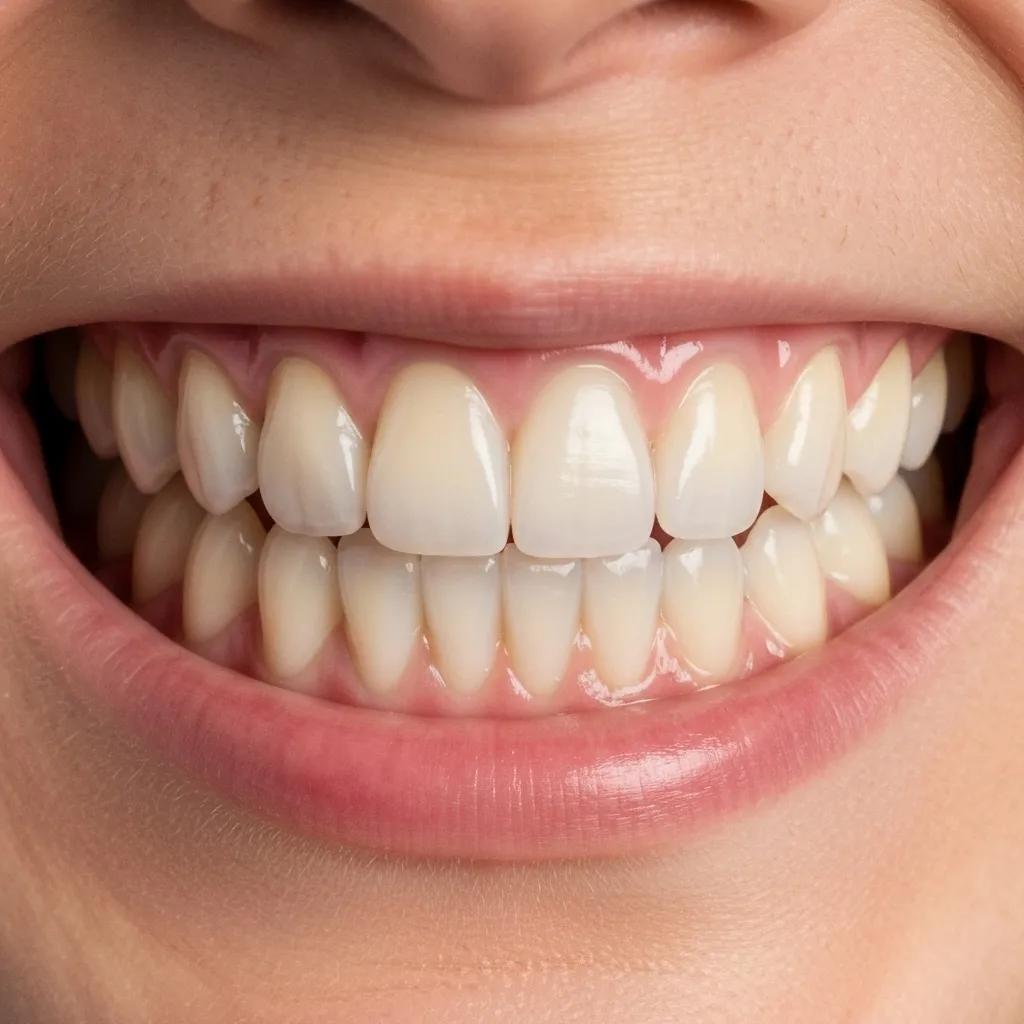
In the first 2 to 4 weeks, Invisalign aligners apply gentle force to initiate tooth movement, closing small gaps and tipping teeth toward their ideal positions. You may feel mild pressure each time you switch trays, which signals that aligners are guiding your teeth. These early shifts confirm that your treatment is on track.
How Does Invisalign Progress Between 1 and 3 Months?
Between 1 and 3 months, your aligners deliver progressive force that rotates teeth and alleviates mild crowding, enhancing your bite’s function. You’ll experience smoother tooth contacts and may find flossing easier as spaces adjust. Monthly check-ups ensure your orthodontist fine-tunes the plan for continuous improvement.
What Improvements Occur From 3 to 6 Months?
From 3 to 6 months, you’ll notice significant straightening of front and back teeth, refined arch form, and major gap closures. Aligners at this stage address bite alignment—overbites or underbites—yielding a more balanced and harmonious smile. Increased comfort and confidence often accompany these visible changes.
When Are Final Results Typically Achieved?
Final results usually appear between 6 and 24 months, when aligners complete detailed adjustments to tooth position, rotation, and root alignment. At this point, your orthodontist verifies optimal occlusion and transitions you to retainer wear, securing your new smile for the long term.
What Factors Affect How Quickly Invisalign Works?
Several factors influence how fast Invisalign aligners move your teeth and deliver visible outcomes. Understanding these variables helps you set realistic expectations and take control of your treatment pace.
Key factors include:
- Case Complexity – Severity of crowding, gaps, and bite issues
- Patient Compliance – Wearing aligners 20–22 hours daily
- Age & Biological Response – Bone density and tooth movement rates
Factors Affecting Invisalign Results
Several factors influence the speed of Invisalign treatment, including the complexity of the case, patient compliance with wearing the aligners, and individual biological responses. Minor corrections may finish in a few months, while more complex cases can take longer.
American Association of Orthodontists, Invisalign Treatment Guidelines (2023)
This citation reinforces the article’s discussion on factors that influence the duration of Invisalign treatment.
These elements interact to determine your unique treatment speed and results.
How Does Case Complexity Impact Invisalign Treatment Duration?
Case complexity directly affects treatment duration. Minor corrections—such as closing small gaps or aligning slightly crooked teeth—often complete in three to six months. Moderate cases involving rotations, bite corrections, or multiple crowding areas typically require six to twelve months. Severe misalignments or skeletal bite discrepancies can extend treatment beyond eighteen months, as aligners must carefully reposition teeth and adjust jaw relationships.
Why Is Patient Compliance Crucial for Faster Results?
Wearing your aligners for 20–22 hours each day ensures constant, consistent pressure on teeth, which maintains momentum toward your goals. Skipping hours or neglecting nighttime wear interrupts force application and prolongs treatment. Patient compliance directly influences how quickly each aligner moves teeth and how smoothly you advance through planned trays.
How Do Age and Biological Response Influence Treatment Time?
Younger patients often experience faster tooth movement due to more responsive bone remodeling, while adults may require additional time as bone density increases with age. Individual biological response—how quickly your body responds to orthodontic force—also varies. Aligners adapt to your natural pace, but you may notice slight differences in progress compared to others.
How Does Invisalign Compare to Traditional Braces in Treatment Speed?
Compared to traditional metal braces, Invisalign often offers faster treatment for mild to moderate cases, while braces may outperform aligners in complex bite corrections. Here’s how they stack up:
| Appliance | Typical Duration | Ideal Candidates |
|---|---|---|
| Clear Aligners | 6–18 months | Mild to moderate crowding, gaps |
| Metal Braces | 12–24 months | Severe rotations, bite discrepancies |
| Hybrid Approaches | Varies by case | Combination of aligners and brackets |
Is Invisalign Faster Than Metal Braces for Mild to Moderate Cases?
Yes, Invisalign treatment can be up to 20% faster than metal braces for mild to moderate crowding and spacing, since digital planning and removable trays optimize force application. Clear aligners allow precise staging of each movement without frequent wire adjustments.
When Are Traditional Braces More Suitable Than Invisalign?
Traditional braces become more suitable when you face severe rotations, large bite corrections, or skeletal discrepancies that require specialized attachments and anchorage. Brackets and wires provide continuous multi-vector forces that handle complex movements more efficiently than aligners alone.
What Are the Benefits of Clear Aligners Over Braces Regarding Comfort and Discretion?
Clear aligners offer enhanced comfort thanks to smooth plastic trays that avoid metal brackets and wires, reducing irritation of cheeks and gums. Their near-invisible appearance lets you straighten teeth discreetly, supporting your social and professional confidence throughout treatment.
How Can You Maximize Your Invisalign Results and Treatment Speed?
Optimizing your Invisalign journey involves consistent aligner wear, diligent oral hygiene, regular monitoring, and small accessories that improve fit. These practices help you achieve results as efficiently as possible.
- Wear aligners 20–22 hours daily
- Maintain impeccable oral hygiene
- Attend all scheduled orthodontic check-ups
- Use chewies to improve tray seating
Adopting these habits accelerates progress and preserves oral health during treatment.
What Are the Best Practices for Wearing Invisalign Aligners Consistently?
Always carry your aligner case and store trays when eating or drinking anything but water. Establish a daily routine—put trays in immediately after meals and before bedtime—to maintain 20–22 hours of wear. Consistency reduces treatment time and keeps your smile on schedule.
How Does Maintaining Oral Hygiene Affect Treatment Progress?
Clean teeth promote healthy bone remodeling and prevent stains on aligners. Brush after meals and floss daily before reinserting trays to avoid plaque buildup. A clean environment enhances aligner fit and preserves the clarity of each tray for predictable tooth movement.
Why Are Regular Orthodontic Check-Ups Important During Invisalign?
Monthly appointments let your orthodontist verify that teeth are tracking according to plan, adjust attachments if needed, and address any fit issues. Timely interventions prevent delays and keep your treatment timeline on target.
Can Using Accessories Like Chewies Help Improve Results?
Chewies are small, soft cylinders you bite into after reinserting aligners to ensure complete seating and better force distribution. Improved tray fit enhances tooth control and can shave weeks off your overall treatment.
What Happens After Invisalign Treatment? The Role of Retainers in Maintaining Results
Retainers are dental devices that hold teeth in their corrected positions, preventing relapse after active treatment. Proper retention is essential to protect your investment and sustain your new smile.
| Retainer Type | Wear Schedule | Key Benefit |
|---|---|---|
| Essix (Clear) | 22 hours/day, then nights only | Discreet, easy to clean |
| Hawley (Wire) | Nights only | Adjustable wire for fine tuning |
| Fixed (Bonded) | Permanent | Continuous support, no compliance needed |
Understanding your retainer options ensures long-term stability and confidence in your smile.
Why Are Retainers Essential After Invisalign?
Retainers prevent teeth from shifting back toward their original positions by maintaining the bone remodeling achieved during treatment. Without retention, natural forces from chewing and surrounding tissues can cause teeth to relapse.
What Types of Retainers Are Available and How Should They Be Worn?
Clear Essix retainers resemble aligners and are best worn full-time initially before transitioning to nighttime wear. Hawley retainers use an acrylic plate and wire for minor adjustments, usually worn at night. Bonded retainers attach behind front teeth for non-stop retention, ideal for patients seeking zero compliance requirements.
How Long Do You Need to Wear Retainers for Lasting Results?
Your orthodontist will recommend full-time retainer wear for the first six months, then nights only indefinitely. Many patients benefit from lifelong nighttime wear—teeth shifting risks persist throughout life.
How Do Different Dental Issues Affect Invisalign Results Timeline?
Treatment timelines vary by the specific alignment challenge you face. Minor crowding resolves quickly, while bite corrections take additional time to coordinate upper and lower arches.
| Issue | Typical Duration | Treatment Focus |
|---|---|---|
| Minor Crowding/Gaps | 3–6 months | Space closure and alignment speed |
| Overbites/Underbites | 6–12 months | Bite correction and occlusion |
| Severe Misalignment | 12–24 months | Multi-stage movements and detailing |
Knowing the estimated timeline for your specific issue helps you plan and stay motivated.
How Quickly Does Invisalign Correct Minor Crowding and Small Gaps?
Invisalign corrects minor crowding and small gaps in as little as three to six months by applying targeted pressure to individual teeth. Early tray sets focus on creating space and gradually repositioning teeth for a uniform arch.
What Is the Treatment Timeline for Overbites and Underbites?
Correcting overbites or underbites typically takes six to twelve months, as aligners must adjust both arches simultaneously to achieve proper occlusion. Attachments and elastics may be used to guide jaw relationships and finalize bite alignment.
How Long Does Invisalign Take for Severe Misalignment or Complex Cases?
Severe misalignment or skeletal discrepancies often require twelve to twenty-four months of treatment, with careful staging of movements to reposition teeth and adjust bite. Complex plans may integrate attachments, interproximal reduction, or auxiliary appliances.
What Are Real Patient Experiences With Invisalign Results?
Hearing how others progressed through their Invisalign journeys can reinforce your expectations and boost confidence in the process. Below are examples of typical patient timelines.
- Early Challenger – Noticed subtle shifts at two weeks and achieved a six-month finish for mild crowding.
- Moderate Transformation – Reported visible bite improvement at four months and completed treatment in ten months.
- Complex Success – Experienced gradual alignment milestones and reached final results in twenty months while maintaining comfort.
These experiences illustrate the range of timelines you might encounter.
When Did Patients Typically Notice Their First Visible Changes?
Most patients see their first visible changes around the four-week mark, when small gaps close and teeth begin to take on a straighter appearance. Early progress often motivates continued compliance.
How Long Did It Take for Patients to Achieve Their Desired Smile?
While minor cases may finish in three to six months, many patients achieve their desired smile between nine and twelve months. Complex cases involving bite issues can extend treatment to eighteen months or more.
How Has Invisalign Improved Patients’ Confidence and Oral Health?
Patients commonly report enhanced self-esteem as their smiles become straighter and more balanced. Improved alignment also facilitates better oral hygiene, reducing plaque buildup and promoting long-term gum health.
Embracing Invisalign at orthodonticassoc.com can transform your smile on a predictable timeline—book your personalized consultation today and start your journey toward a confident, healthy smile.